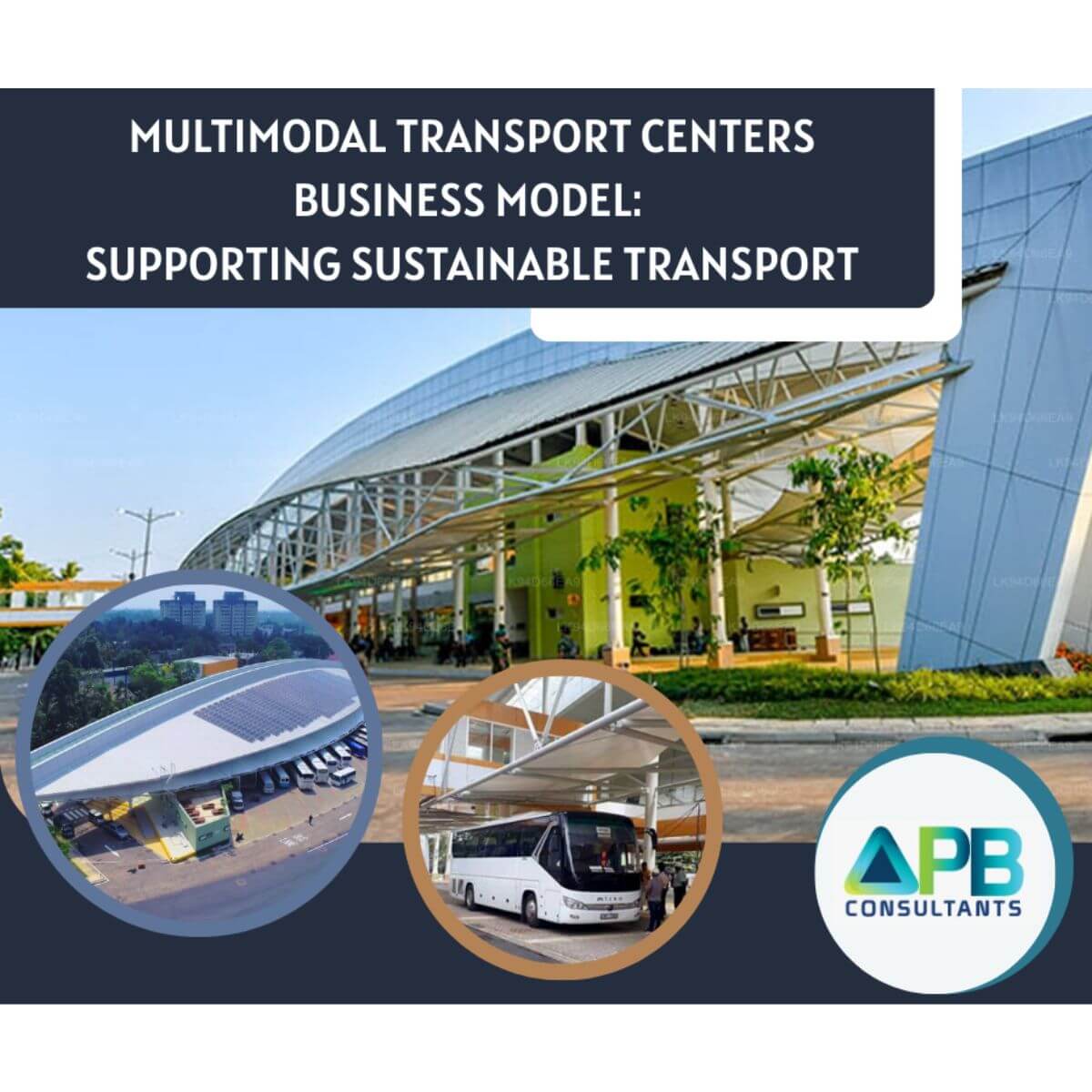
HISTORICAL BACKGROUND AND DEVELOPMENT
The concept of multimodal transport centers evolved gradually throughout the late 20th century, driven by strategic partnerships between governments, urban planning authorities, and private entities. The earliest integrated transport hubs appeared in Europe during the 1970s and 1980s, with cities like Zurich, Amsterdam, and Copenhagen pioneering interconnected transit systems through collaborative efforts between multiple stakeholders.
Asia emerged as a major adopter in the 2010s, with cities like Singapore, Hong Kong, and Tokyo establishing sophisticated multimodal hubs through Public-Private Partnerships. China’s rapid urban development led to the creation of extensive multimodal transport networks, particularly after 2010, demonstrating the effectiveness of coordinated government and private investment. Developing nations in South and Southeast Asia, including Sri Lanka, have since begun implementing multimodal transport center concepts through similar partnership models to modernise mobility infrastructure.
The international community formally recognised sustainable transport’s critical role on May 16, 2023, when the United Nations General Assembly declared November 26th as World Sustainable Transport Day (Resolution A/RES/77/286), emphasising the importance of cooperation and international partnerships in enhancing transport connectivity through integrated intermodal systems.
BUSINESS MODEL CANVAS FRAMEWORK
1. KEY PARTNERS
Contemporary Key Partners include government entities and urban planning authorities, environmental agencies, renewable energy providers, technology platforms, logistics operators, law enforcement and traffic management authorities, and community organizations serving vulnerable groups. Public-Private Partnerships remain essential, accelerating financial sustainability by aligning private investment with operational costs, sharing risks, and enabling commercial returns on infrastructure, energy, and real estate assets.
2. KEY ACTIVITIES
Environmental Impact and Emissions Reduction: Core Operations
The core activities of multimodal transport centers address transport’s substantial contribution to global greenhouse gas emissions through multiple integrated operational functions.
Transport Integration Activities: Seamlessly connecting buses, rail, and non-motorised transport modes through unified systems enables modal shift policies that encourage transitions from private vehicles to public and shared transport, achieving dramatic emissions reductions. Research projects that reducing car travel by 43% to 81% could lower cumulative CO₂ emissions by 42.8% to 70.5%, depending on policy design and uptake.
Renewable Energy Operations: Solar PV installations with battery storage systems at depots and hubs form a critical activity, reducing net electricity load on the grid by 23%, with peak charging loads reduced by 8.6%. When battery storage is added, peak reductions increase to 37.4%. Research from Beijing’s electric-bus depot demonstrated the viability of this approach, with solar installations at bus depots yielding 64% profit above cost even without subsidies. Similar strategies applied to metro systems found that solar panels could supply approximately 17.3% of daily electricity demand, significantly reducing reliance on fossil-based grid energy.
Digital Ticketing and Mobility Services: Operating single-ticket apps, mobility subscriptions, and mobility-as-a-service platforms enhance passenger convenience while creating recurring revenue streams.
Real Estate and Commercial Management: Managing retail shops, office leasing, parking facilities, and logistics services generates substantial secondary income while optimizing land utilization.
Waste Management and Circular Economy: Data-driven waste tracking—measuring station waste volumes and packaging use—enables recycling programs, composting facilities, and resource recovery initiatives. This integrated approach demonstrates the potential of sustainable mobility to improve entire communities through efficient resource management and cost-saving opportunities.
Revenue Optimization: Dynamic pricing, loyalty systems, and tourism mobility bundles enhance revenue capture while improving customer engagement.
Enforcement and Compliance: Maintaining Road discipline, managing unauthorised parking, controlling vendor encroachment on pavements, and ensuring law and order are essential activities that enable efficient operations and maintain public safety.
3. KEY RESOURCES
Real-World Implementation: Infrastructure and Assets
Well-designed multimodal transport centers exemplify operational excellence through strategically deployed key resources.
Physical Infrastructure Resources: Strategic multimodal transport centers serve as primary assets, featuring integrated bus and train stations, depots, parking facilities, and retail and office spaces. These facilities boost regional connectivity by facilitating easy passenger transfers and reducing travel time through integration of bus services, railway systems, and motorway links. Single-ticket systems combining multiple transport modes represent significant advances in resource coordination, being developed into comprehensive national platforms integrating all transport services—buses, trains, highways, and airports.
Technology Systems: Digital ticketing platforms, booking systems, payment gateways, and solar energy management systems with battery storage represent critical technological resources. These systems support digital transformation goals and enable seamless connectivity.
Human Capital: Service providers, operational staff, law enforcement personnel, maintenance teams, and customer service representatives constitute the human resource foundation. Enforcement personnel play a critical role in maintaining road discipline and operational compliance.
Renewable Energy Assets: Solar panels, battery storage systems, and related electrical infrastructure enable the center to function as an energy hub, not merely a transit hub.
Land and Real Estate: Strategic hub locations enable transformation of undeveloped areas into valuable mixed-use complexes with retail, office, and service spaces, helping capture land value gains and bolster municipal revenue streams and community livelihoods.
Data and Analytics: Performance tracking systems, passenger analytics, energy consumption monitoring, waste management data, and emissions tracking provide insights for continuous optimization and decision-making.
4. VALUE PROPOSITIONS
Health, Air Quality, and Urban Livability: Benefits Delivered
Multimodal transport centers deliver comprehensive value propositions across multiple stakeholder groups.
For Passengers and Daily Users: Seamless, convenient multi-modal connectivity with single-ticket systems reduces travel time through integrated transport modes and easy transfers. Enhanced mobility options provide access to jobs, education, and services previously unavailable. Reduced travel costs through optimized routing and competitive pricing create affordability benefits.
For the Environment and Climate: Research from Sri Lanka demonstrates that buses and trains produce significantly lower CO₂ per passenger-kilometre than motorcycles and private cars. Dramatic emissions reductions stem from three key mechanisms:
- Traffic Substitution Effect (fewer private vehicles on roads reduce overall transport-related emissions);
- Energy Efficiency (public transport uses energy more efficiently than individual vehicles, lowering energy consumption per passenger);
- System Optimisation (integration of renewable and low-carbon energy inputs throughout the transport network creates cumulative benefits).
The quantified benefits are substantial: reducing car travel by 43% to 81% could lower cumulative CO₂ emissions by 42.8% to 70.5%. Integration of renewable energy sources provides 17.3% of daily electricity demand from solar for metro systems, substantially reducing reliance on fossil energy.
For Public Health and Urban Quality: Reducing private vehicle travel generates substantial public health benefits. Fewer cars on roads mean lower emissions of particulate matter and nitrogen oxides (NOₓ), contributing to improved air quality. Decreased traffic noise makes cities more liveable and healthier. These health improvements strengthen the economic case for investing in multimodal hubs.
For Communities and Social Equity: By enabling seamless connections and encouraging public and active transport, multimodal centers boost accessibility and social equity. Green initiatives cater to all passenger levels, including differently abled persons, the elderly, and vulnerable groups, ensuring social inclusion and broadened community participation.
For Communities and Economic Development: Improved connectivity attracts new investments and service sectors. Increased passenger volume boosts local business, entrepreneurship, and job creation, raising government revenue and broadening tax bases. Centers transform undeveloped areas into valuable mixed-use complexes, capturing land value gains and bolstering community livelihoods.
For Government and Global Goals: Contribution to UN Sustainable Development Goals (particularly Goal 11: Sustainable Cities and Communities; Goal 13: Climate Action; and Goal 9: Industry, Innovation, and Infrastructure) aligns operations with international commitments. Alignment with World Sustainable Transport Day objectives (established May 16, 2023) positions centers to benefit from preferential policy support and international cooperation frameworks.
5. CUSTOMER RELATIONSHIPS
Policy Framework for Implementation: Engagement Strategies
For governments to harness multimodal centers’ full potential, policy design must incorporate structured customer relationship frameworks.
Multi-channel Communication and Support: Digital platforms, mobile applications, customer service centers, and real-time information systems keep passengers informed and engaged. Unified ticketing and mobility-as-a-service platforms enhance user convenience and operational efficiency.
Personalised Services and Retention: Subscription packages, loyalty programs, and mobility bundles tailored to different passenger segments create recurring engagement. Dynamic pricing and tourism mobility bundles accommodate diverse customer preferences.
Community Engagement and Accessibility: Green initiatives and accessibility programs cater specifically to differently abled persons, the elderly, and vulnerable groups. Transit-oriented development principles maximize hub utilisation while encouraging dense, walkable communities that foster community connection.
Transparency and Accountability: Clear communication about sustainability metrics, emissions reductions, and operational performance builds trust. Performance-based funding models and carbon offset schemes promote responsible investment and encourage transparency.
Responsive Feedback Systems: Continuous improvement based on passenger experience and community input maintains relationship quality. Smart financing mechanisms enable responsive adaptation to community needs.
Road Discipline and Enforcement Engagement: Strict adherence to road discipline standards is maintained through comprehensive enforcement mechanisms, strong law and order protocols, and accountability of law enforcement personnel. Clear regulations, consistent monitoring, and transparent enforcement procedures ensure that the benefits of multimodal centers are fully realized and that public spaces remain accessible, safe, and efficient for all users.
6. CUSTOMER SEGMENTS
Sustainability Innovation and Digital Integration: Target Markets
Modern multimodal centers serve diverse customer segments through sustainability innovation and digital integration.
Daily Commuters: Office workers, students, and service sector employees using regular transit services represent the primary recurring customer segment. These passengers benefit from improved connectivity and reduced travel time.
Long-distance Travelers: Airport and highway connectivity users seeking multimodal options constitute a growing segment. Integration of buses, trains, highways, and airports serves this market through comprehensive national platforms.
Tourism Sector: Tourists utilising integrated mobility bundles and comprehensive connectivity services represent a valuable revenue-generating segment. Tourism mobility bundles create ancillary revenue while enhancing visitor experience.
Vulnerable and Special-needs Populations: Elderly persons, differently abled individuals, and low-income communities benefit from accessible, affordable transport options. Targeted green initiatives ensure inclusive service delivery.
Commercial and Business Segments: Retail tenants, logistics operators, and service providers within multimodal centers occupy the real estate and commercial services market. Logistics optimisation through integrated transport networks creates additional value.
Government and Institutional Customers: Organizations benefiting from improved regional connectivity and reduced emissions represent important stakeholders. Performance-based funding and carbon offset schemes incentivise government support.
Energy Market Customers: Grid operators and utilities purchasing surplus solar energy and grid stabilisation services represent an emerging customer segment. Battery storage systems provide critical grid stabilization benefits valued by energy providers.
7. CHANNELS
Sustainability Innovation and Digital Integration: Distribution Methods
Modern multimodal centers employ multiple channel strategies to deliver services and value.
Physical Hub Channels: Strategic multimodal transport centers serve as primary access points and distribution channels. These facilities demonstrate how sustainable transport promotes environmental stewardship, technological advancement, and economic prosperity through integrated facility design.
Digital Platforms: Mobile applications, online booking and payment systems, and digital ticketing infrastructure enable convenient access and service delivery. Online features support digital transformation goals and reach dispersed customer segments.
Integrated Transport Network: Bus services, railway systems, motorway links, and airport connectivity form the core distribution channels for passenger mobility services. Seamless integration enables efficient passenger flow and optimised routing.
Retail and Commercial Spaces: On-site shops, offices, service centers, and hospitality facilities within multimodal centers provide direct channels for ancillary services and value addition.
Energy Distribution Infrastructure: Solar energy systems distribute renewable electricity to the grid, to onsite electric vehicle charging infrastructure, or directly to operational systems. Battery storage systems enable optimized energy delivery timing.
Information Systems and Technology: Real-time travel information, wayfinding systems, passenger information displays, and digital platforms create information channels supporting passenger decision-making and operational efficiency.
8. REVENUE STREAMS
Financial Sustainability Through Revenue Diversification
Multimodal centers generate income from multiple sources to ensure long-term profitability and self-reliance.
Transportation Revenue (Primary Income): Fare revenue from buses, trains, and other transit modes forms the primary income base, providing stable, predictable cash flow.
Real Estate Income (Secondary Income): Retail shop leasing, office space rentals, parking facilities, and logistics services generate substantial secondary income streams. These services maximize utilization of land resources and create employment opportunities.
Digital Services Revenue: Subscription fees from mobility subscriptions, mobility-as-a-service platform charges, digital ticketing apps, and online booking systems create recurring, high-margin revenue streams.
Energy Generation Revenue: Solar PV systems with battery storage save operational costs while generating surplus energy sold back to grid or used for electric vehicle charging infrastructure. Associated carbon credit value creates additional financial benefits. Research demonstrates that solar installations at bus depots yield 64% profit above cost even without subsidies, demonstrating strong financial returns.
Digital Ticketing Innovation Revenue: Premium subscription packages, loyalty program rewards, special tourism mobility bundles, surge pricing during peak hours, and dynamic fare pricing enhance revenue capture from existing passenger volumes.
Ancillary Services: Advertising, information services, commercial partnerships, and hospitality services create additional income sources.
Public Support and Incentives: Government subsidies, tax incentives, carbon offset schemes, and performance-based funding models support renewable energy adoption and expand financial sustainability. Energy incentives targeting solar PV and storage systems at depots and hubs accelerate renewable adoption while improving financial performance.
Financial Viability Evidence: Research demonstrates the self-sustaining potential of this revenue model. Solar installations achieve profitability even without subsidies, while battery storage systems—though reducing profit margins—remain profitable and provide critical grid stabilization benefits valued by energy providers. When combined with diversified revenue sources, multimodal centers demonstrate strong potential for financial independence.
9. COST STRUCTURE
Environmental Impact and Emissions Reduction: Investment and Operating Costs
Understanding cost structure is essential for assessing the financial viability and self-reliant potential of multimodal transport centers.
Infrastructure Development and Maintenance Costs: Construction, renovation, and ongoing maintenance of transport hubs, stations, parking facilities, and retail/office spaces represent significant initial and recurring expenses. However, efficient land utilization and mixed-use development maximize revenue capture per dollar invested.
Renewable Energy Systems Investment: Solar PV installations, battery storage systems, and related electrical infrastructure require substantial capital investment. However, research demonstrates recovery of these investments through operational cost savings and energy revenue generation. Solar installations yield 64% profit above cost, with peak grid load reductions of 37.4%, creating additional value through grid stabilization services.
Technology and Digital Systems Costs: Digital ticketing platforms, mobile applications, payment gateways, data analytics systems, and cybersecurity infrastructure require ongoing investment. These systems enable revenue optimization and operational efficiency that offset technology costs.
Operational Costs: Staff salaries, utilities, routine maintenance, security, and customer service represent recurring operational expenses. Renewable energy integration reduces utility costs significantly, improving overall operational economics.
Transport Operations: Vehicle maintenance, fuel/electricity costs for buses and trains, and spare parts inventory represent ongoing operating expenses. Electric vehicle adoption and renewable energy charging reduce fuel costs over time.
Waste Management and Environmental Programs: Recycling systems, composting facilities, and circular economy initiatives require investment. Data-driven waste tracking identifies cost-saving opportunities that offset program expenses.
Enforcement and Compliance Costs: Law enforcement coordination, traffic management, and regulatory compliance represent necessary operational expenses that maintain service quality and public safety.
Marketing and Customer Engagement: Promotional campaigns, customer communication, and community outreach build ridership and optimize revenue. Digital marketing channels reduce traditional advertising costs.
Regulatory and Administrative Costs: Licensing, permits, insurance, and legal compliance represent necessary business expenses. Transparent governance and compliance frameworks may reduce long-term regulatory costs.
Cost Optimisation Strategies: Renewable energy integration reduces operational costs while generating revenue; data-driven waste tracking identifies cost-saving opportunities; integrated operations minimize redundant infrastructure; Public-Private Partnerships align investor returns with operational sustainability, enabling shared risk and improved cost management.
10. BUSINESS MODEL VIABILITY ASSESSMENT
Self-Reliant Business Model Framework
The Multimodal Transport Centers Business Model demonstrates strong potential as a self-reliant, financially sustainable business model through the following mechanisms:
- Revenue Diversification: The model operates multiple, independent revenue streams—transportation fares, real estate income, digital services, energy sales, and ancillary services—reducing dependency on any single income source and ensuring operational resilience and financial stability.
- Operational Profitability: Research demonstrates that solar installations at bus depots yield 64% profit above costs without subsidies. Battery storage systems remain profitable while providing grid stabilization benefits. Similar renewable integration in metro systems supplies 17.3% of daily electricity demand, substantially reducing reliance on external energy sources and associated costs.
- Integrated Cost Recovery: All operational costs—infrastructure maintenance, technology systems, transport operations, and environmental programs—can be systematically recovered through fare revenue, real estate leasing, energy sales, and digital platform charges. Integration of operations minimizes redundant expenses and maximizes efficiency.
- Long-term Value Capture: Multimodal centers capture land value gains by transforming undeveloped areas into valuable mixed-use complexes, enabling recovery of initial capital investments while generating sustained municipal and community revenues.
- Economic Multiplier Effects: Improved connectivity attracts new investments, stimulates business growth, and creates employment. Increased passenger volume boosts local business and entrepreneurship, raising government revenue and broadening tax bases—creating positive feedback loops that enhance financial sustainability.
- Environmental and Social Returns: Beyond financial metrics, the model generates quantifiable environmental benefits (42.8% to 70.5% emissions reductions through modal shift) and social equity improvements. These non-financial returns strengthen the economic case and justify sustained public and private investment.
- Policy and Market Alignment: The model aligns with UN Sustainable Development Goals (Goal 11, 13, and 9), World Sustainable Transport Day objectives, and global climate commitments, positioning multimodal centers to benefit from carbon credit schemes, performance-based funding, and preferential policy support.
11. CONCLUSION
Multimodal transport centers represent a proven, data-driven approach to sustainable mobility and self-reliant business model development. Expanding from European origins across Asia and developing nations, these hubs integrate environmental protection, economic viability, and social equity into modern transportation systems. They facilitate trade, tourism, and social connection while contributing to global climate mitigation.
The Secretary-General’s High-level Advisory Group (2016) defined sustainable transport as “the provision of services and infrastructure for the mobility of people and goods—advancing economic and social development to benefit today’s and future generations—in a manner that is safe, affordable, accessible, efficient, and resilient, while minimizing carbon and other emissions and environmental impacts.” Multimodal centers operationalise this definition through integrated business model design.
By aligning with the UN’s World Sustainable Transport Day objectives and supporting global sustainable development goals, multimodal centers offer a comprehensive pathway toward sustainable urban futures. Through collective action, innovation, shared responsibility, and disciplined adherence to established transport protocols, transport becomes a powerful enabler of sustainable development for today and future generations.
When strategically implemented with integrated business models incorporating diversified revenue streams, renewable energy systems, and efficient operations, multimodal transport centers demonstrate substantial potential as self-sustaining enterprises capable of operating independently while delivering transformative environmental, social, and economic benefits to communities and societies worldwide.
Business Model Canvas Framework Reference
The Business Model Canvas is a strategic management and entrepreneurial tool developed by Alexander Osterwalder and Yves Pigneur. It provides a visual framework for describing, analysing, and designing business models through nine interconnected blocks:
- Key Partners: External organizations and suppliers essential for business operations
- Key Activities: Core operational and strategic activities required to operate the business
- Key Resources: Critical assets, infrastructure, and capabilities needed to create value
- Value Propositions: Unique benefits and solutions offered to customers
- Customer Relationships: Strategies and mechanisms for engaging and retaining customers
- Customer Segments: Distinct groups or categories of end-users or customers
- Channels: Methods and platforms for reaching customers and delivering value
- Revenue Streams: Multiple sources of income and financial returns
- Cost Structure: Fixed and variable costs associated with business operations
Application to Multimodal Transport Centers: This framework demonstrates how multimodal transport centers integrate environmental sustainability, financial viability, and social equity into a coherent, self-reliant business model capable of achieving economic independence while delivering transformative sustainable development benefits.
12. REFERENCES
Government of Sri Lanka. Sri Lanka climate change readiness plan (transport sector). env.gov.lk
Konara, K.M.T.N., et al. (2019). Comparison of emission levels of passenger transport modes in Sri Lanka. Journal of Atmospheric Pollution. pubs.sciepub.com
MDPI. (2022). The impact of public transportation on carbon emissions—From the perspective of energy consumption. Sustainability.
MDPI. (2025). A review of transport policies in support of climate actions in Asian cities and countries.
Ministry of Transport and Highways. (2025). World Sustainable Transport Day Statement: Advancing Connectivity, Protecting the Planet. November 26, 2025.
Osterwalder, A., & Pigneur, Y. (2010). Business Model Generation: A Handbook for Visionaries, Game Changers, and Challengers. John Wiley & Sons.
PMC/NCBI. (2023). The effect of sustainable mobility transition policies on cumulative urban transport emissions and energy demand.
PLoS One. (2025). Advancing sustainability in urban transportation: A solar-powered metro rail system.
PV Magazine International. (2024). Transforming electric bus depots into solar energy hubs. (Based on Beijing depot study)
United Nations General Assembly. (2023). Resolution A/RES/77/286: World Sustainable Transport Day. May 16, 2023.
University of Colombo Review. (2022). Comparative carbon emission effect of alternative transport modes in Sri Lanka.
About the Author
Sampath Dayaratne is a Chartered Valuation Surveyor and Business Model Development Specialist with specialization in property valuation, research, and business model development. He was the sole business model developer for Sri Lanka’s first-ever multimodal transport center.
This document is a consolidated synthesis of research and policy documentation on multimodal transport centers and sustainable development, presented through the Business Model Canvas framework to demonstrate the financial viability and self-reliant operational potential of multimodal transport centers as transformative sustainable transport infrastructure.