
Property Brokerage: The Backbone of Modern Real Estate Transactions
Property brokerage is one of the most dynamic and essential segments of the real estate industry. It acts as the vital bridge between property owners and prospective buyers or tenants, ensuring smooth, transparent, and legally compliant transactions. In leading real estate markets, brokerage services play a central role in facilitating property sales, leasing, and investment […]
Continue Reading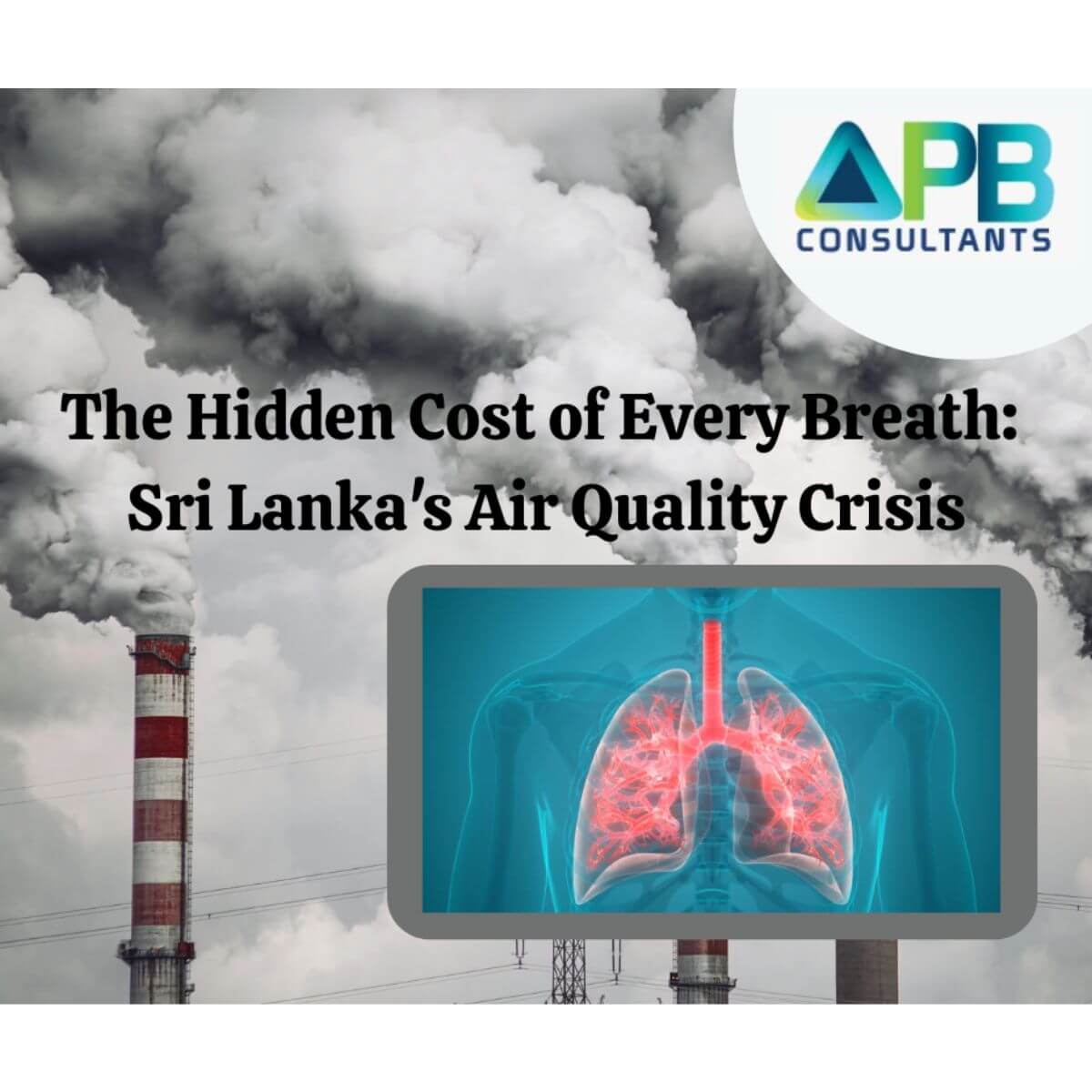
The Hidden Cost of Every Breath: Sri Lanka’s Air Quality Crisis
Understanding the Dual Threat of Local Emissions and Transboundary Pollution During the northeast monsoon season, Sri Lankans breathe air that should not exist. Real-time monitoring stations frequently show Colombo’s air pollution levels at 7–9 times higher than World Health Organisation (WHO) recommended limits. Kandy often records levels up to 10 times above safe thresholds. This […]
Continue Reading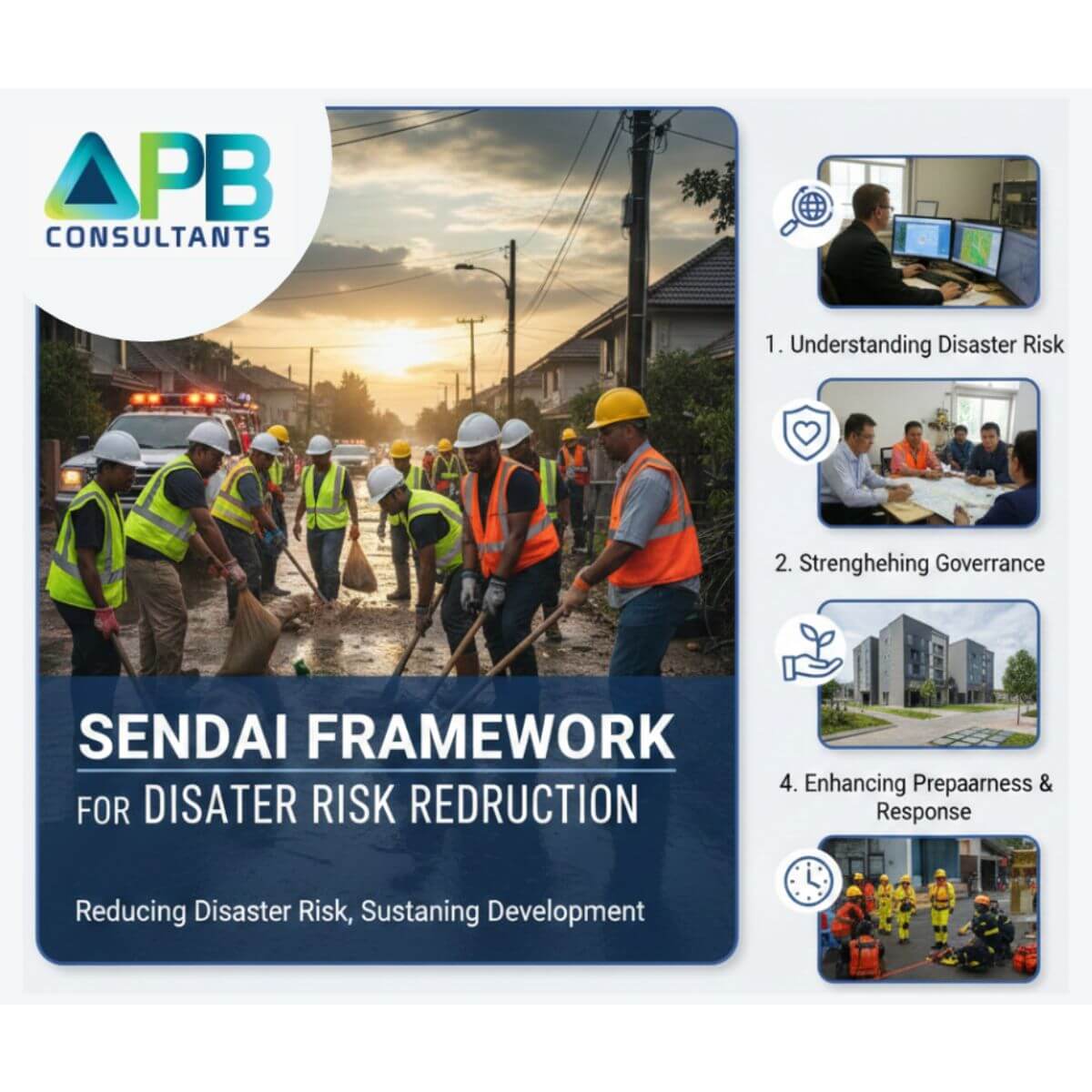
Building Climate Resilience: The Sendai Framework and Sri Lanka’s Path Forward
As climate change intensifies, vulnerable countries face unprecedented disaster risks. Sri Lanka’s devastating experience with Cyclone Ditwah in November 2025—killing nearly 500 people and causing economic losses exceeding USD 6-7 billion—underscores the urgent need for comprehensive disaster risk reduction (DRR) strategies. The Sendai Framework for Disaster Risk Reduction provides a global blueprint for building resilience […]
Continue Reading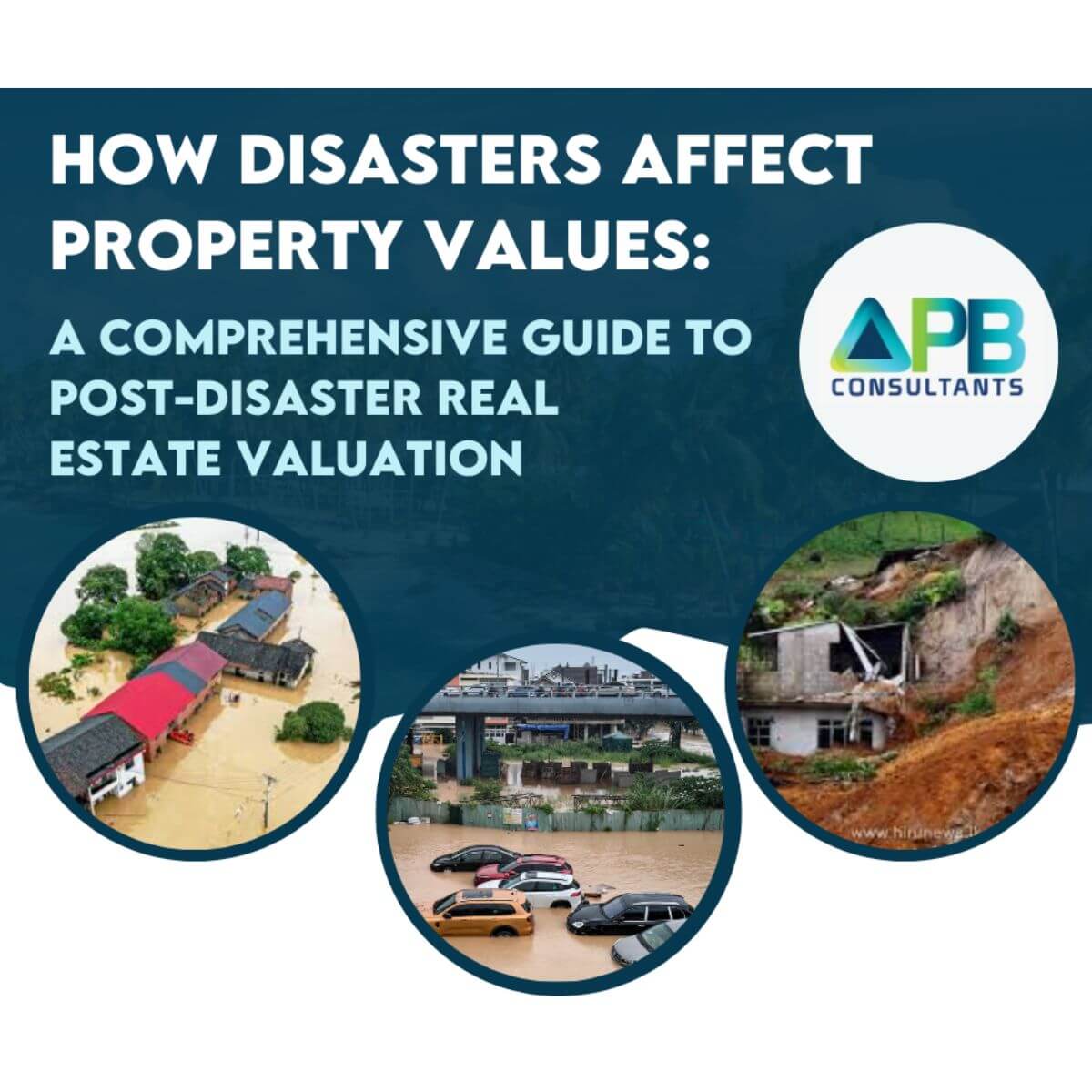
How Disasters Affect Property Values: A Comprehensive Guide to Post-Disaster Real Estate Valuation
Valuing real estate after a natural disaster is far more complex than a standard appraisal. Hurricanes, floods, earthquakes, fires, or man-made events can distort normal market conditions, making traditional valuation techniques insufficient on their own. After a disaster, markets slow, costs surge, risks become more visible, and buyer behaviour shifts dramatically. For insurers, lenders, government […]
Continue Reading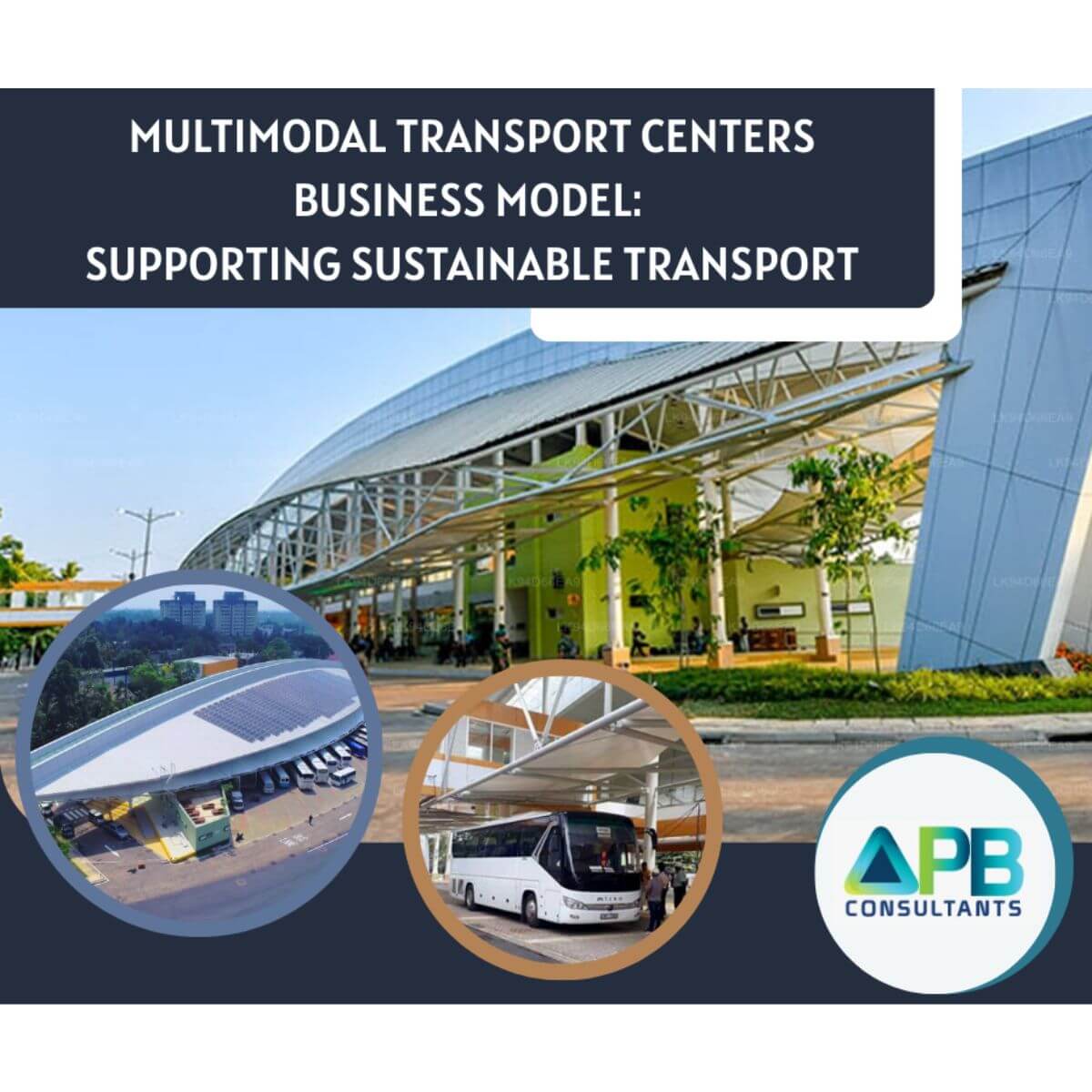
Multimodal Transport Centers Business Model: Supporting Sustainable Transport
HISTORICAL BACKGROUND AND DEVELOPMENT The concept of multimodal transport centers evolved gradually throughout the late 20th century, driven by strategic partnerships between governments, urban planning authorities, and private entities. The earliest integrated transport hubs appeared in Europe during the 1970s and 1980s, with cities like Zurich, Amsterdam, and Copenhagen pioneering interconnected transit systems through collaborative […]
Continue Reading
UNFCCC COP30 Insights: What the Belém Climate Summit Means for Valuation Profession
As the world’s eyes turn to Belém, Brazil, where COP30 is currently underway from November 10-21, 2025, business valuators must pay close attention to emerging climate policies that will fundamentally reshape valuations across assets. This conference focuses on efforts to limit global temperature increases to 1.5°C, presentation of new national action plans (NDCs), and progress […]
Continue Reading
Resource Efficiency and Cleaner Production: The Smart Path to Sustainable Business Value
Why Sustainability and Valuation Go Hand in Hand In today’s competitive business world, sustainability is no longer an optional add-on—it is central to how companies create, measure, and sustain value. Investors, customers, and regulators are paying increasing attention to how businesses manage their resources, energy, water, waste, and emissions. Companies that act responsibly gain a competitive edge, […]
Continue Reading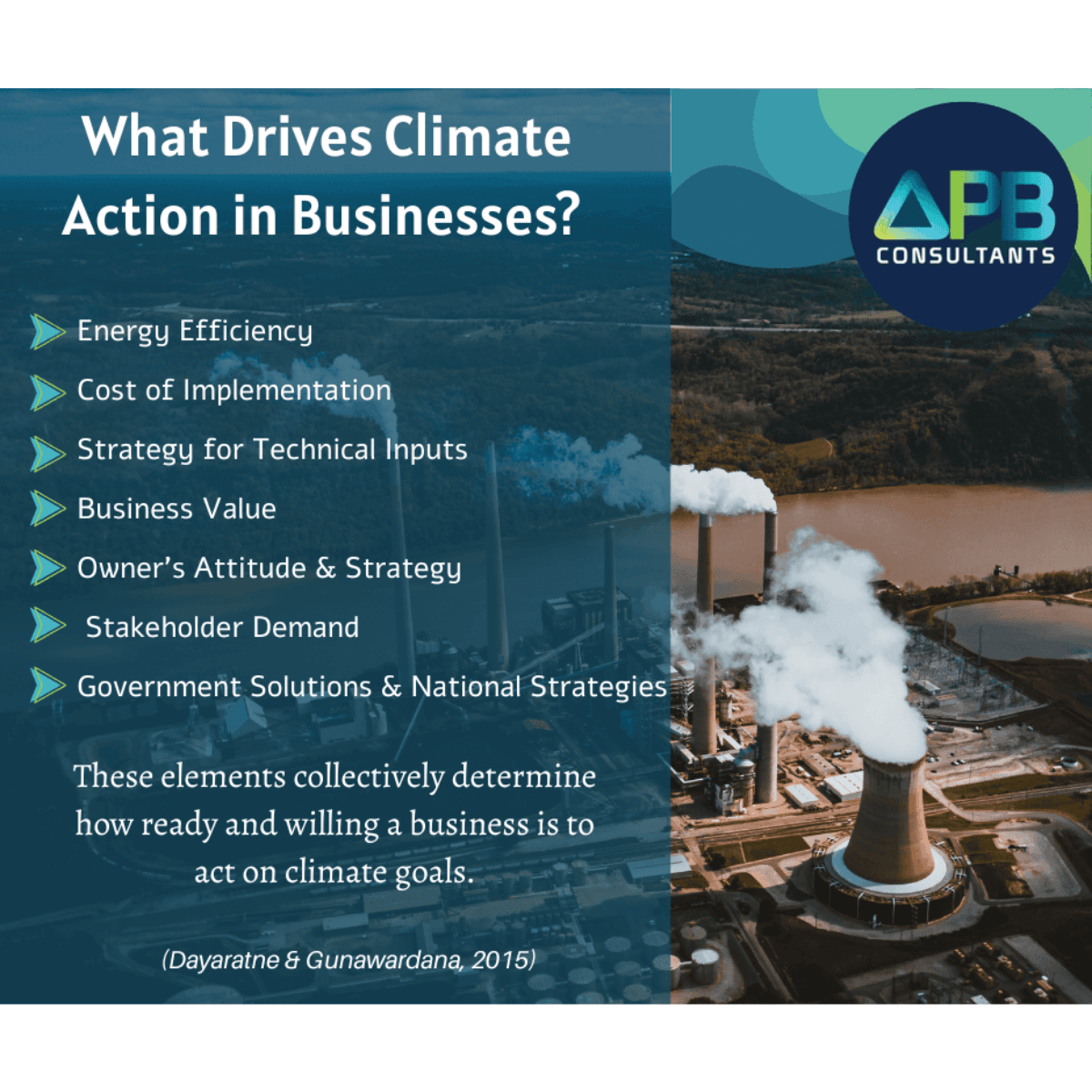
What Drives Climate Action in Businesses
Let’s support smart policies, encourage sustainable business mindsets, and demand climate-conscious leadership! Source:Dayaratne, S., & Gunawardana, K. (2015). Financial and Non-financial Measures for Sustainability in SMEs. Available at SSRN
Continue Reading
Driving Efficiency Through Responsible Water Use
Driving efficiency through responsible water use is becoming a priority in sustainable business practices. Adopting green management strategies allows businesses to minimize water usage, reduce wastewater output, and cut material waste — leading to both environmental and economic benefits. Efficient operations start with sustainable choices. Source: Dayaratne, S., & Gunawardana, K. (2015). Financial and Non-financial […]
Continue Reading
Valuing Sustainability: How Green Water Management Adds Long-Term Operational Value
In a world where environmental responsibility increasingly influences financial performance, sustainable practices are becoming central to business strategy and valuation. One of the most tangible — yet often overlooked — aspects of operational sustainability is efficient water management. As consultants company, we recognize that systematic green management is not just about reducing environmental impact — it’s about unlocking real, […]
Continue Reading